What to Grow in a Small Garden or Raised Bed
A small growing space is not a limitation. It is a focus. Growers with limited space often produce more per square metre than those with large plots, because they have to be deliberate about every decision.
The key is choosing crops that give you the best return for the space they take up.
Think in terms of value per square foot
Some crops take up a lot of space and produce relatively little. Others are compact, productive, and harvest over a long season. In a small garden, the second group is where your attention should go.
High-value crops for small spaces include:
- Salad leaves: cut and come again, productive within weeks, can be grown in the smallest gap
- Radishes: ready in three to four weeks, can be interplanted with slower crops
- Spring onions: narrow footprint, long harvest window
- Courgettes: one plant can feed a family through summer if you stay on top of harvesting
- Climbing beans: grow vertically, which means they use almost no ground space relative to their yield
- Tomatoes: trained upright, productive over a long season, high-value crop
- Herbs: high value for cooking, compact, perennial herbs come back each year
Use vertical space
A raised bed or small garden can grow far more than its footprint suggests if you use vertical structures. A wigwam of bamboo canes takes up roughly half a square metre of ground but supports six to eight climbing bean plants. A trellis on a fence or wall turns a flat surface into a productive growing area for cucumbers, beans, or even tomatoes.

Succession sow to keep harvesting continuously
In a small space, the worst thing you can do is fill the entire bed with one crop at once. Sow a small amount, then sow again two to three weeks later. This keeps fresh harvests coming without a glut followed by a gap.
Avoid space-hungry crops
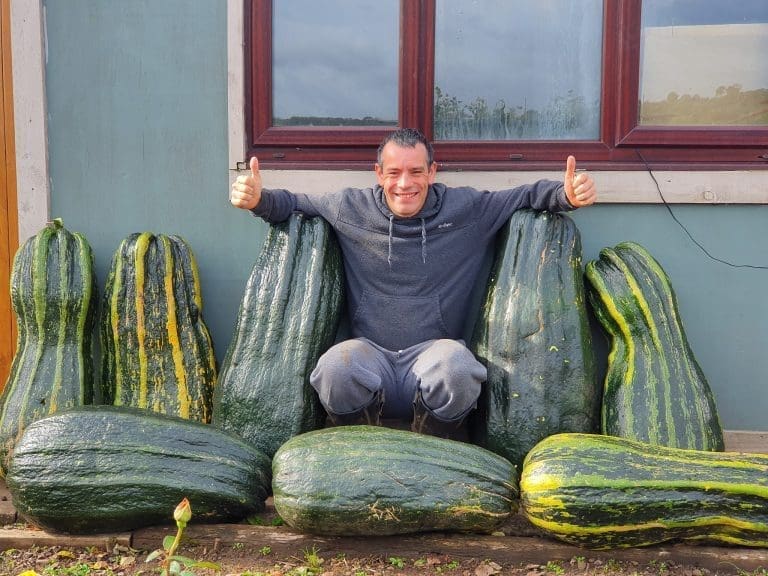
Pumpkins, squash, sweet corn, and brassicas like cauliflower take up significant space relative to their yield. These are better suited to larger plots. In a raised bed, the space they occupy could grow far more food if planted with higher-value alternatives.
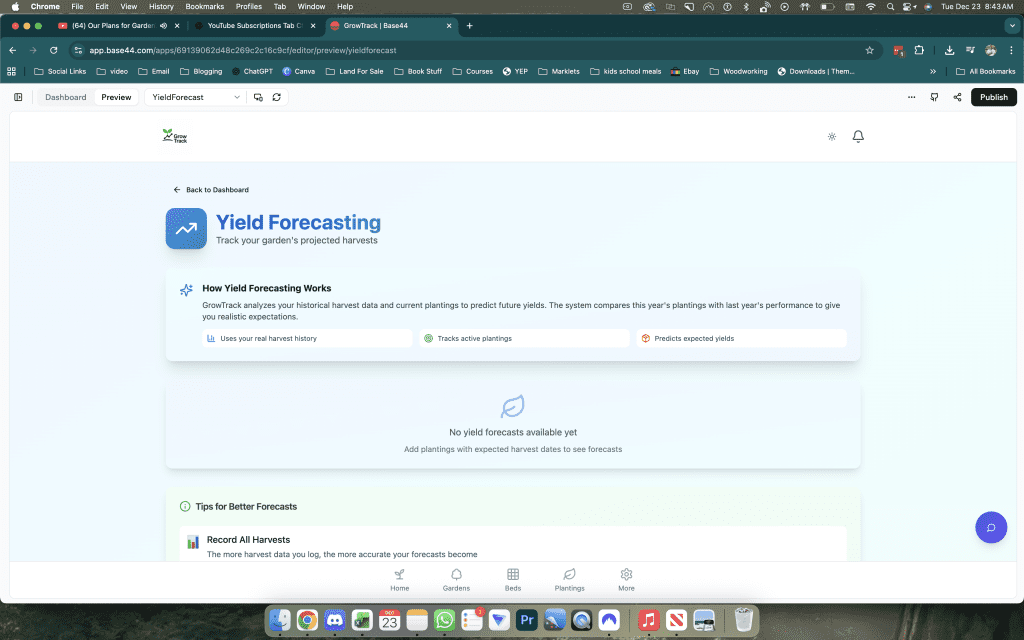
If you want to track what is working and what is not in your specific space, GrowTrack helps you log yield per bed so you can make better decisions each season based on your actual results.
Tony O’Neill is a vegetable-growing expert and the founder of GrowTrack Systems Ltd. More growing advice at Simplify Gardening.