Common Vegetable Garden Mistakes and How to Avoid Them
Most vegetable garden failures are predictable. The same mistakes come up year after year, from beginners and experienced growers alike. Knowing what they are before you make them is most of the solution.
Starting too big
The enthusiasm of a new growing season leads people to plant far more than they can manage. By midsummer, half the beds are overwhelmed with weeds, the crops are competing for space, and the whole thing feels like a chore rather than a pleasure.
Start smaller than you think you need. A well-managed small space outperforms a neglected large one every time.
Planting out tender crops too early
Tomatoes, courgettes, beans, and cucumbers are killed or badly set back by frost. Every year, growers put them out in April during a warm spell and lose them to a late frost in May.
Wait until after your last frost date. Two weeks of patience in spring saves you weeks of setback later.

Not watering consistently
Irregular watering is the cause of many problems that get blamed on other things. Blossom end rot in tomatoes. Bolting in lettuce. Poor root development in carrots. Splitting fruit across many crops.
Consistent moisture matters more than quantity. A moderate amount of water applied regularly is better than large amounts applied infrequently. Mulching around plants helps retain soil moisture between waterings.
Ignoring the soil
Plants are only as good as the soil they grow in. Planting into compacted, nutrient-depleted, or waterlogged soil and then wondering why crops fail is one of the most common patterns in unsuccessful gardens.
Before you plant anything, spend time on the soil. Add compost. Break up compaction. Check drainage. This is covered in detail in the Composting Masterclass.
Overcrowding plants
Seed packets give spacing recommendations for a reason. Overcrowded plants compete for light, water, and nutrients. They also create the humid, still conditions in which fungal diseases thrive in.
Follow spacing guidance even when seedlings look tiny, and the gaps seem wasteful. They will fill.
Not keeping records
Every year without records is a year starting from scratch. You repeat the same experiments, make the same mistakes, and lose the hard-won knowledge of what worked in your specific conditions.
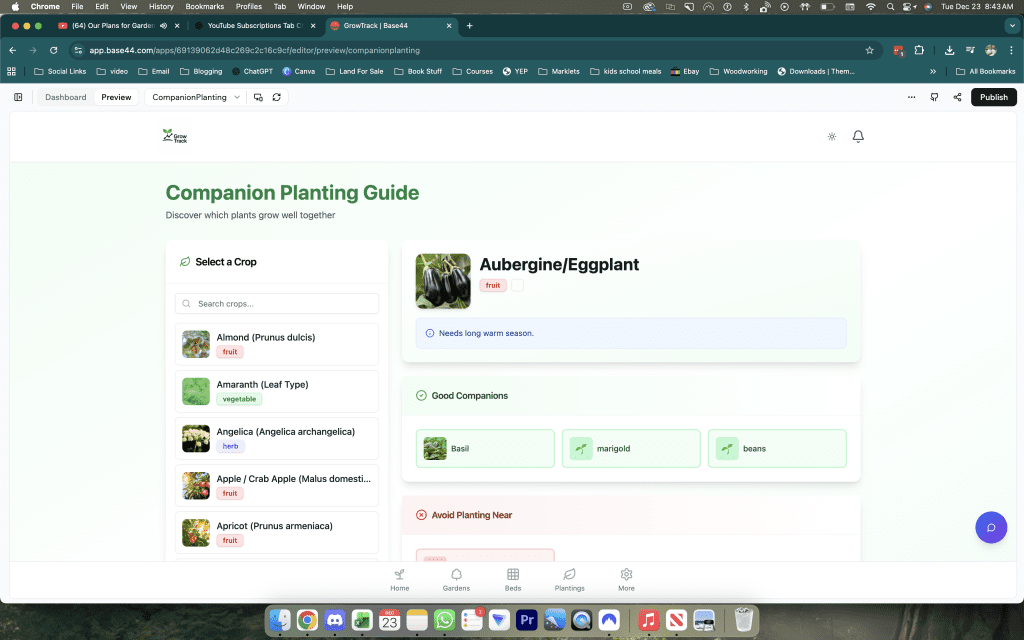
Write down what you planted, where, and when. Note what worked and what did not. GrowTrack was built specifically to make this easy, with a planting log, bed tracker, and season-by-season history that turns your experience into useful information.
Giving up after a bad season
Every grower has bad seasons. A late frost wipes out the tomatoes. A slug invasion decimates the lettuce. Blight takes the potatoes before they are worth harvesting. These things happen to experienced growers who do everything right.
The difference between a grower who improves over time and one who gives up is simple: the ones who improve try again, having noted what happened and adjusted for it.
Tony O’Neill is a vegetable-growing expert and author. Find practical advice at Simplify Gardening.