South Wales Allotment Gardening: A Personal History
Allotment culture in the South Wales valleys has a particular character. It grew out of necessity, from communities where growing your own food was not a lifestyle choice but a practical contribution to household economics. The tradition that shaped how people in those valleys grew food, and why, is worth understanding.
The valleys and their growing tradition
The South Wales coalfield communities of the 19th and early 20th centuries were tightly packed, often with limited access to fresh produce. Allotments gave workers and their families access to growing space that supplemented the household diet in a meaningful way.
The tradition of growing food in the valleys was practical, productive, and social. Allotment holders shared knowledge, seeds, and produce. Growing techniques were passed down through families rather than learned from books. The accumulated knowledge of what grew well in specific local conditions, what the local soil needed, and what the local weather demanded was invaluable and largely unwritten.
My grandfather’s allotment in Cwmtaff
When I started on my grandfather’s plot as a seven-year-old, I was joining a tradition that stretched back generations. He grew what his father had grown, using methods that had been refined over decades of practice on that specific hillside in the Cynon Valley.
His allotment was productive in the way that practical necessity produces productivity. Every bed earned its keep. He knew his soil, his aspect, his frost dates, and his drainage patterns in the way that only years of careful observation produces.
These are things you cannot learn from a book. They are accumulated through seasons of paying attention.
What has changed and what has not
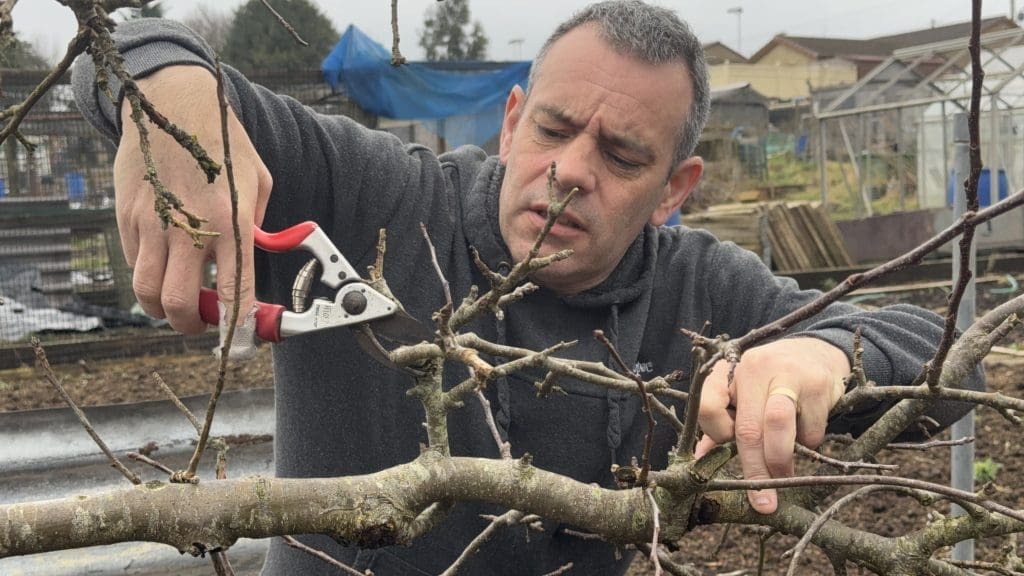
Allotment growing in South Wales, as elsewhere, has changed considerably. The growers are different. The varieties are different. The methods have shifted. More growers use raised beds. Fewer save seed. More seek information online rather than from neighbours.
What has not changed is the fundamental value of growing your own food in a specific place, with specific soil and specific weather, and building the knowledge of that place over time. That knowledge is personal, local, and irreplaceable by any generic guide.
It is also the reason I built GrowTrack. A system that accumulates knowledge of your specific garden over time, making that knowledge useful and queryable, rather than losing it between seasons.
The ongoing value of allotment culture
Allotments are experiencing a resurgence across the UK. Waiting lists at many sites are years long. The desire to grow food, to have a connection to where it comes from, and to spend time in a productive outdoor space is clearly not diminished by the availability of cheap food in supermarkets.
That resurgence is something worth supporting. The knowledge that makes allotment growing productive, particularly the local, site-specific knowledge that takes years to accumulate, should be preserved and shared wherever possible.
Tony O’Neill grew up gardening in the South Wales valleys and has been growing food since 1981. He shares growing advice at Simplify Gardening and through his books. Read his full story at tonyoneill.com/about.