My Grandfather Taught Me to Garden: What I Learned in a Welsh Valley Allotment
I was seven years old when my grandfather first put a trowel in my hand. We were on his allotment in Cwmtaff, in the South Wales valleys, and he was showing me how to plant onion sets. He pressed each one into the earth with a particular deliberateness, the kind that told you this was not a casual gesture but a proper skill being passed on.
I did not know then that I was being given something that would shape the rest of my life. You rarely do.
What an allotment in the 1980s taught a seven-year-old
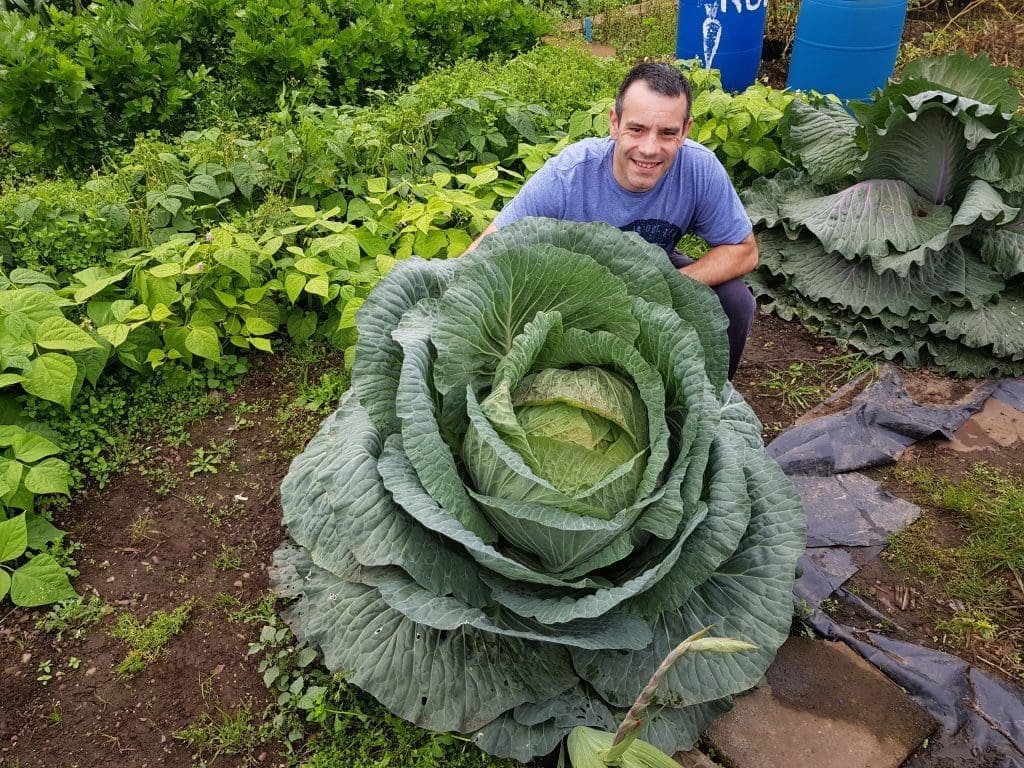
My grandfather’s allotment was not a hobby. It supplemented the household food supply in a way that mattered. He grew potatoes, leeks, beans, cabbage, onions, and a great deal more. Every square metre earned its keep.
The first lesson he gave me was this: the soil is not just somewhere to put plants. It is alive. He would pick up a handful of earth and show me the worms in it, and explain that wherever there were worms, the soil was good. That observation has stayed with me longer than anything I learned at agricultural college.
He grew things from seed because buying plants was an unnecessary cost. He composted everything because throwing organic material away was wasteful. He saved seeds from his best performers because it worked. These were not philosophical positions. They were practical decisions made by a man who had grown up during a period when resources were scarce and waste was genuinely not an option.
The values that underpin everything I teach
When I look at what I now teach through Simplify Gardening, through my books, and through GrowTrack, I can trace most of it back to that allotment.
Grow what you will eat. Start with the soil. Keep records so you do not repeat the same mistakes. Do not overcomplicate things that are not complicated. These were not lessons delivered in sessions with a whiteboard. They were absorbed over years of Saturdays on a hillside plot in South Wales.
What is worth preserving from traditional growing
Growing culture changes with each generation. Some of what changes is an improvement. Better varieties, better understanding of soil science, better access to information. Some of what changes is a loss.
The patience that traditional growing required is largely gone from how most people approach it now. The acceptance that some things fail, some seasons are bad, and that you simply try again next year has been replaced by a consumer expectation of reliable results from minimal effort. That expectation leads to disappointment.
My grandfather never seemed disappointed by a failed crop. He noted it, adjusted something, and moved on. That is the only attitude that makes long-term growing viable.
Passing it on
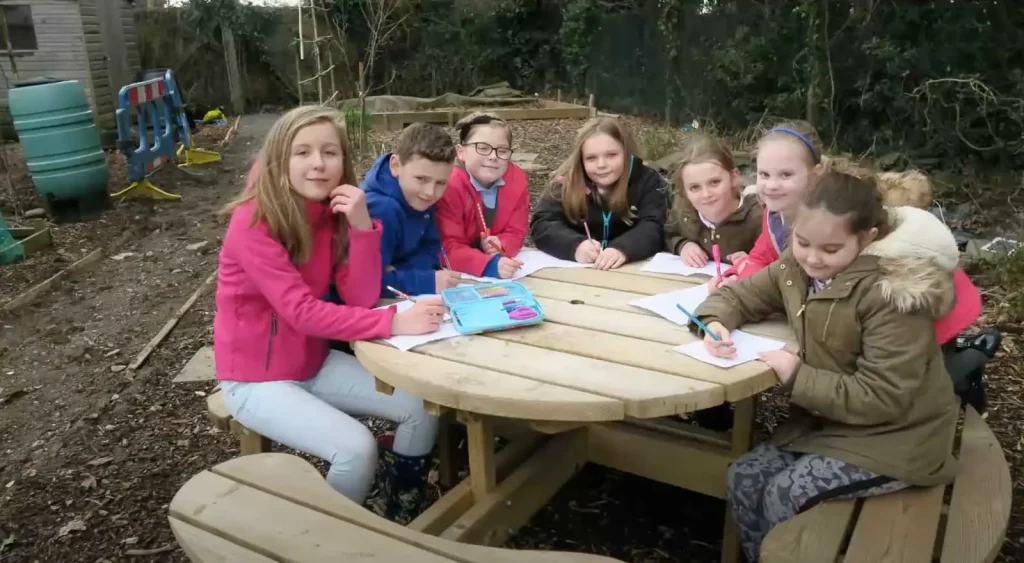
I work with schools in South Wales, bringing children onto the allotment and showing them what I was shown. The experience of putting a seed in the ground and watching something grow from it is not less significant now than it was when I was seven. If anything, it matters more in a world where most children have no idea where their food comes from.
The trowel my grandfather put in my hand started something I have spent the rest of my life continuing. I am still continuing it. I expect I always will.
Tony O’Neill is a vegetable growing expert based in South Wales, UK. He shares practical growing advice through Simplify Gardening and his books, including Simplify Vegetable Gardening. Learn more about Tony.