The Truth About Grow Bags, Raised Beds, and Containers
If you are gardening without access to ground soil, or if your ground soil is of poor quality, grow bags, raised beds, and containers give you options. Each has genuine advantages and genuine limitations. Here is an honest assessment of all three.
Grow bags
Grow bags are bags of compost, typically containing about 40 litres, used for growing crops like tomatoes, peppers, and cucumbers. They are cheap, widely available, and require no infrastructure to set up.
The limitations are significant. Most grow bags contain a relatively low-quality peat or peat-free compost mix that becomes depleted quickly. The volume of compost is not enough for large plants over a long season without regular additional feeding. They dry out fast in warm weather. A single missed watering can stress a tomato plant enough to cause blossom end rot.
If you use grow bags, water twice a day in warm weather, feed weekly from the first flower, and do not try to grow more than two or three tomato plants per bag. Replace the compost each year.
Raised beds
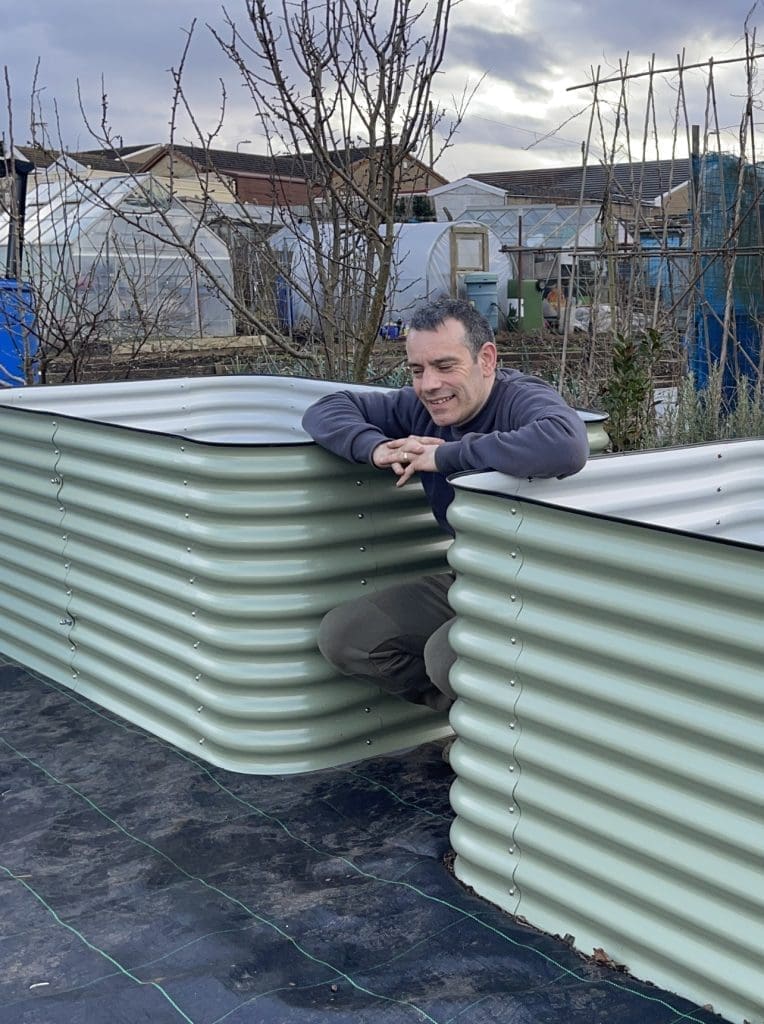
Raised beds are the most versatile option for home vegetable growing. They give you control over your growing medium, warm up faster in spring than ground soil, drain well, and can be managed without bending excessively if built to the right height.
The main cost is the initial setup: building the frames and filling them with a good-quality growing mix. Fill raised beds with a blend of topsoil and well-rotted compost. Avoid cheap topsoil of unknown origin. Top up with compost each season as the level drops.
A raised bed managed well will become progressively more productive over time as the soil biology builds up and the organic matter improves the structure.
Containers
Containers work well for compact crops: herbs, salad leaves, radishes, spring onions, dwarf French beans, and cherry tomatoes. They are less effective for large root vegetables or sprawling plants that need a significant root run.
The most common container mistake is using pots that are too small. A tomato plant in a 10-litre pot will struggle. The same plant in a 30 to 40 litre container will perform significantly better. Bigger containers dry out more slowly and provide more root space.
Use good-quality peat-free compost in containers, water regularly, and feed weekly once plants are established. Self-watering containers with a reservoir in the base reduce watering frequency and prevent the dry-then-waterlogged cycle that causes problems.
Which should you choose?
For long-term productive growing, raised beds are the best investment. For cost-effective starting out or for limited space, containers work well for the right crops. Grow bags are useful for specific purposes, but should be managed actively to get results.
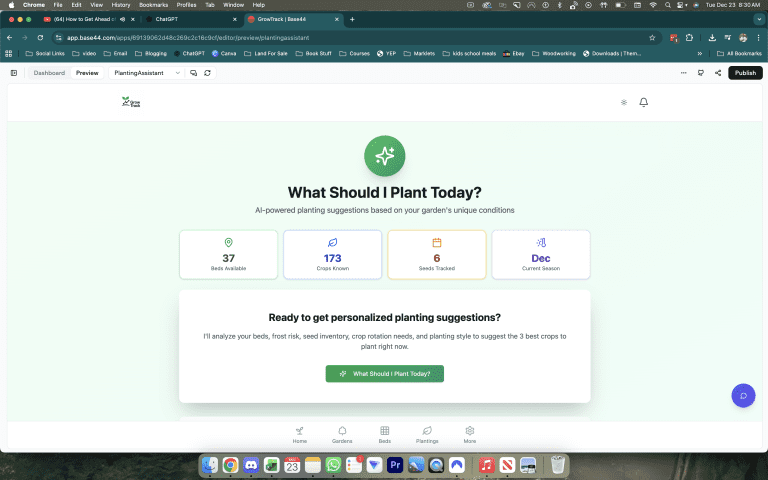
Whatever you use, keep records of what you grow in each container or bed and how it performs. Over multiple seasons, this data is far more useful than any general guide. GrowTrack makes recording this straightforward.
Tony O’Neill is a vegetable-growing expert and author. Practical growing advice at Simplify Gardening.